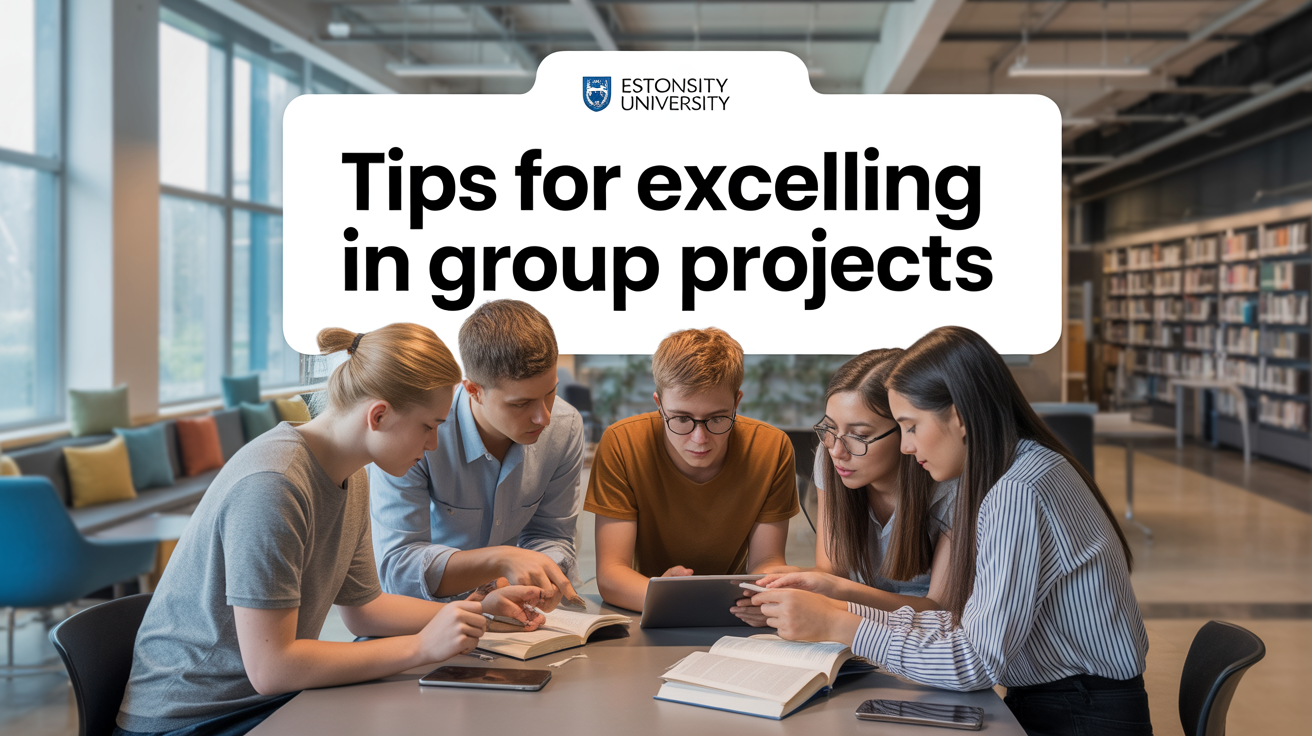
Tips for Excelling in Group Projects at Estonian Universities
Embrace Active Participation Build a Strong Network Overcome Initial Shyness Utilize University Resources Attend Workshops and Seminars Maintain Regular Class Attendance Manage Your Time Effectively Conclusion Take the Next Step with Study in EstoniaEmbrace Active Participation
Active participation is the cornerstone of successful group work. Engaging fully in discussions and activities allows you to learn from your peers while reinforcing your own understanding of the material.
- Diverse Learning Styles: Group work combines different sensory inputs—seeing, hearing, and discussing the content—which can lead to improved retention and comprehension. Unlike solitary study, where learning is primarily visual, group settings enrich your educational experience.
- Contribute Ideas Freely: Don’t hesitate to share your insights and suggestions during group meetings. Your unique perspective as an international student can add great value to the discussions and help create innovative solutions.
Build a Strong Network
Developing a strong network is vital for success in any academic setting. Estonian universities offer a diverse community of local and international students.
- Participate in Events: Engage in university-organized events, join clubs, and attend local meetups. These activities not only foster friendships but also enhance collaboration in group projects.
- Leverage Relationships: Building connections with your peers can facilitate smoother communication, greater teamwork, and a support system when challenges arise in your projects.
Overcome Initial Shyness
Joining a new group can be intimidating, especially when working with unfamiliar classmates.
- Take the Initiative: Don’t let shyness hold you back. Introduce yourself to your group members and actively seek to build rapport. While Estonians may appear reserved, they are generally welcoming and open to making new friends.
- Frequent Check-ins: Maintain regular communication with your group members. Whether it’s through quick meetings or online chats, these interactions help build trust and keep everyone on the same page.
Utilize University Resources
Estonian universities provide a wealth of resources that can enhance your academic journey and support your group work.
- Libraries and Research Centers: Make use of your university's libraries and research facilities to gather information and resources pertinent to your projects.
- Tutoring Services: If you need assistance, seek out tutoring services offered by your institution. These can provide valuable help with language barriers, understanding material, or refining your group project presentations.
- Career Centers: Tap into career development resources that can help you gain insights into effective collaboration practices and project management skills.
Attend Workshops and Seminars
Many institutions in Estonia offer workshops and seminars designed to sharpen practical skills necessary for successful group work.
- Skill Development: Participate in workshops focused on study techniques, time management, and team collaboration. These sessions can equip you with efficient strategies that enhance your group project performance.
- Feedback Opportunities: Utilize these workshops to obtain feedback on your individual and group contributions, which can lead to improved outcomes in future collaborations.
Maintain Regular Class Attendance
Consistent attendance is essential for staying informed and actively participating in group projects.
- Stay Informed: Regular attendance ensures you receive crucial updates and insights from instructors, which are often not fully captured in lecture materials.
- Engagement Opportunities: Being present also provides opportunities for spontaneous discussions with professors and peers, fostering deeper connections and clarifications on project tasks.
Manage Your Time Effectively
Time management is critical in ensuring the success of group projects, particularly in a diverse academic environment.
- Set Priorities: Allocate time efficiently for group meetings, individual tasks, and personal study. Establish a monthly planner or a shared group calendar to align schedules and stay accountable.
- Balance Work and Leisure: Be sure to balance academic responsibilities with personal downtime, which is essential for maintaining mental well-being throughout the course of your studies.
Conclusion
Group projects at Estonian universities offer a unique blend of academic credit and experiential learning, providing necessary skills in collaboration, communication, and cultural awareness. By embracing active participation, building a strong network, overcoming initial reservations, utilizing available resources, attending workshops, maintaining attendance, and managing your time effectively, you will be well-equipped to excel in your academic endeavors.
Take the Next Step with Study in Estonia
If you are interested in taking your academic journey further, we encourage you to explore how studying in Estonia can be a beneficial choice for you.