How to Prepare for Estonian University Group Projects: A Guide for International Students
Quick Navigation
- Understanding the Group Project Context in Estonia
- Practical Preparation Steps for Group Projects
- Academic Preparation: Aligning with Estonian Teaching Methods
- Cultural Awareness and Communication in Group Settings
- Maintaining Academic Integrity and Monitoring Progress
- Summary Table: Key Preparation Steps
- Why Study in Estonia?
- Get in Touch
Understanding the Group Project Context in Estonia
Estonian higher education institutions actively promote collaborative learning environments. Group projects serve multiple educational purposes:
- Enhancing teamwork skills essential in today’s global job market.
- Encouraging cultural awareness by bringing together students from diverse backgrounds.
- Developing problem-solving capabilities through interactive and real-world tasks.
Students can expect group projects to be a significant assessment form, where both process and outcomes are valued. This reflects a progressive teaching philosophy centred on active learning and cooperation in a nurturing multicultural setting.
Practical Preparation Steps for Group Projects
Preparation for group work begins well before any assignments are issued. International students can benefit significantly from engaging early with university life and peer networks.
1. Attend Orientation Events
Estonian universities host orientation programmes tailored specifically for new international students. These sessions are essential for:
- Gaining practical advice on studying and living in Estonia.
- Networking with fellow students who may become your future group members.
Orientation also introduces the academic culture and expectations that underpin group assignments, setting a positive tone from the outset.
2. Engage in Student Activities and Communities
Joining student clubs and attending social events fosters interpersonal connections and enhances communication skills. These are critical for:
- Building trust among group members.
- Learning about diverse perspectives and work styles.
- Practising conflict resolution and negotiation in informal settings.
Participation in student activities facilitates smoother group collaboration during academic projects.
Academic Preparation: Aligning with Estonian Teaching Methods
1. Familiarize Yourself with Teaching Methods
Estonian institutions employ versatile teaching approaches, including:
- Interactive lectures.
- Practical assignments.
- Problem-based learning, often conducted through group projects.
By knowing what to expect, students can proactively adapt and contribute meaningfully to group tasks.
2. Utilize Available Learning Materials
Universities provide a wealth of resources tailored to diverse learning needs, such as:
- Online databases and e-libraries.
- Lecture recordings and supplementary guides.
- Study groups and peer tutoring sessions.
Accessing and leveraging these materials ensures that all group members are equipped to deliver quality work.
Cultural Awareness and Communication in Group Settings
1. Value Cultural Diversity
Working in groups composed of international students means encountering different traditions, communication styles, and working habits. Successful group members:
- Embrace openness and flexibility.
- Avoid assumptions and be patient with different perspectives.
- Leverage diversity as a strength for creative problem-solving.
This mindset helps cultivate mutual respect and enriches the learning process.
2. Practice Effective Communication
Clear and respectful communication underpins effective team performance. Students should:
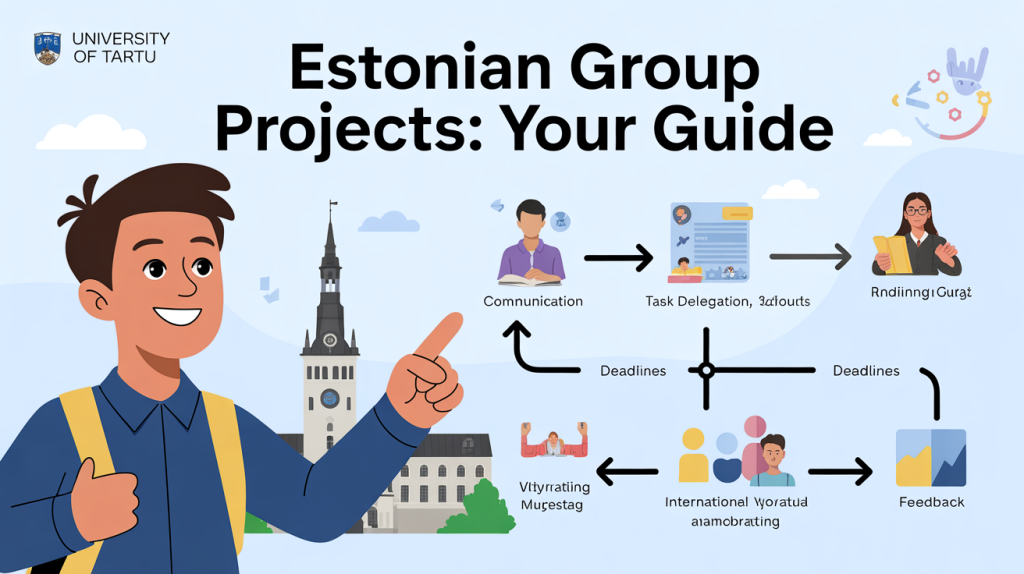
- Define roles and responsibilities early in the project.
- Set realistic deadlines and checkpoints.
- Hold regular meetings to discuss progress and challenges.
Fostering an environment where every voice is heard reduces misunderstandings and promotes accountability.
Maintaining Academic Integrity and Monitoring Progress
1. Monitor Group Progress Closely
Regularly reviewing group milestones helps ensure that:
- Tasks are being completed on time.
- The project meets academic requirements.
- Adjustments can be made early if necessary.
This practice contributes to a smoother project workflow and a stronger final submission.
2. Seek Support When Needed
Universities offer diverse support services for international students facing difficulties with group work, including:
- Academic counselling.
- Assistance from international student advisers.
- Conflict mediation.
Utilizing these resources can help resolve problems promptly and keep the project on track.
Summary Table: Key Preparation Steps for Estonian University Group Projects
| Preparation Area | Recommended Actions |
|---|---|
| Orientation | Participate in university introduction events for international students. |
| Community Engagement | Join student clubs and social activities to build rapport. |
| Academic Readiness | Understand teaching methods and use provided materials effectively. |
| Communication | Establish responsibilities, maintain regular and respectful communication. |
| Cultural Sensitivity | Appreciate diversity and adapt communication styles accordingly. |
| Support Utilization | Access academic and student support services proactively. |
Why Study in Estonia?
Estonia offers a unique blend of high-quality education, innovative learning environments, and a multicultural atmosphere ideal for international students. At Study in Estonia, we provide comprehensive guidance for students and education professionals on how to navigate academic expectations, including group projects. Our expertise ensures universities connect with the right candidates efficiently while supporting student success post-enrolment.
Discover how Study in Estonia’s services can enhance your recruitment strategies and student support systems.
Get in Touch
Whether you are an international student preparing to embark on group projects or an admissions professional seeking partnership opportunities, Study in Estonia is here to support you.
Contact us today to learn more about how we can assist in streamlining your international recruitment efforts and provide resources that help students excel in collaborative academic settings.
Take the Next Step with Study in Estonia
Are you ready to enhance your academic journey? Explore further resources and support available for international students.