
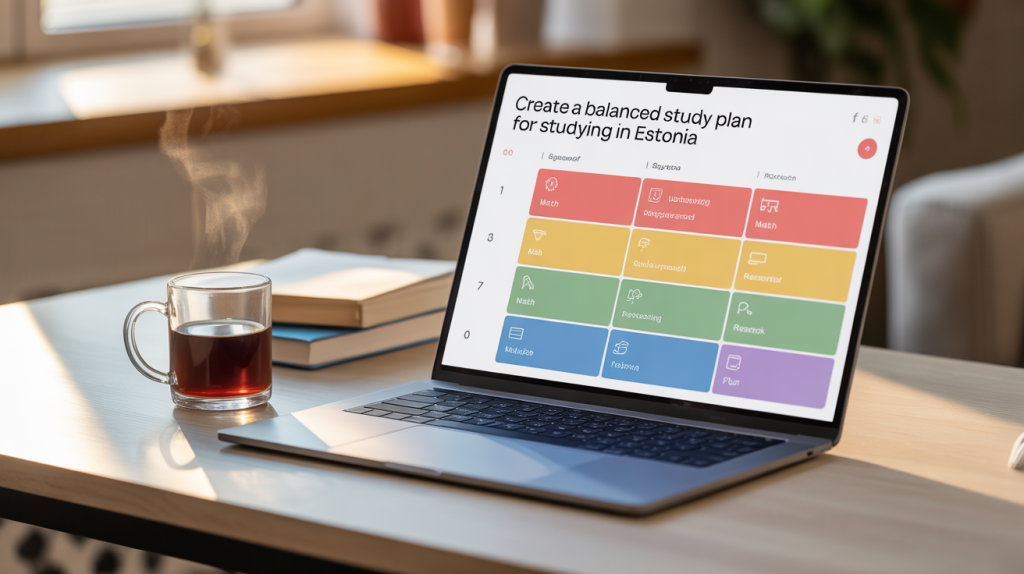
How to Create a Balanced Study Plan for Your Time in Estonia
Time Management Essentials for International Students in Estonia
Efficient time management forms the backbone of any effective study plan. Managing your academic tasks thoughtfully will enable you to meet deadlines and keep stress at bay.
Set Specific Plans and Deadlines
Begin by outlining your academic tasks, including lectures, assignments, exam dates, and project deadlines. While you don’t have to schedule every hour of the day, having a clear structure helps you monitor your progress and prioritize effectively. Consider breaking bigger assignments into smaller steps, and set intermediate deadlines to prevent last-minute rushes.
Use Organizational Tools
To stay organized, use planners, digital calendars, or productivity applications that consolidate all your deadlines, notes, and tasks in one place. This centralized system reduces the risk of overlooking responsibilities. Many universities in Estonia recommend internal training resources and workshops that help students master time management tools tailored to their study environment.
Prioritize Daily and Weekly Activities
Not all tasks carry the same urgency or importance. Prioritize your workload by focusing first on assignments with imminent deadlines and crucial long-term projects that require consistent effort. This balance prevents last-minute cramming and promotes steady progress throughout the semester.
Identify Your Most Productive Hours
Everyone has peak productivity windows during the day. Some students concentrate best in the morning, while others excel during evenings. Observe your work patterns and schedule your most challenging study sessions during these times to optimize learning efficiency.
Avoid Multitasking
While it may seem tempting to multitask, particularly when pressured by deadlines, studies have shown that focusing on a single task at a time improves work quality and reduces stress. Allocate dedicated time blocks for each assignment or study topic to maintain concentration and achieve better outcomes.
Balancing Study, Work, and Rest in Estonia
Maintaining equilibrium between academic responsibilities, part-time work, and personal well-being is essential for international students to thrive.
Flexible Work Opportunities
Many students balance studies with part-time jobs to support themselves financially and gain valuable work experience. When seeking employment in Estonia, prioritize positions that offer flexible hours compatible with your study schedule. Distributing work hours across the week helps maintain consistent study time, especially on days with heavy coursework or lectures.
Utilize Study Leave Benefits
Estonia grants students 30 days of study leave annually, comprising 20 paid and 10 unpaid days. This entitlement is designed to help manage exam preparation and important academic commitments without jeopardizing work responsibilities. Understanding and utilizing this leave can alleviate pressure during intense study periods.
Schedule Regular Breaks and Rest
Quality often trumps quantity when it comes to study sessions. Incorporate short, frequent breaks into your schedule to sustain focus and avoid burnout. Regular pauses refresh your mind, enabling you to return to your tasks with renewed energy and clearer thinking.
Plan for Holidays and Seasonal Breaks
Estonia offers notable academic breaks, such as the summer vacation beginning in June and the Christmas break in December. Use these intervals strategically for relaxation, travel, or concentrated study. Recognizing these breaks in your study plan promotes balance and rejuvenation.
Leveraging Support and Development Opportunities in Estonia
Studying abroad is not just about academics; it’s also about growth, community, and skill-building.
Attend Workshops and Seminars
Universities across Estonia frequently offer workshops focusing on study skills, time management, and cultural adaptation. Participating in these sessions equips students with practical strategies tailored to the Estonian educational context, enhancing study effectiveness and personal confidence.
Establish Consistent Routines
Develop daily routines that encompass not only study activities but also healthy meals, exercise, and social interactions. Consistency in these habits reinforces discipline, contributing to both academic success and overall well-being.
Sample Weekly Study Plan for International Students in Estonia
A well-rounded weekly plan ensures that all aspects of student life receive attention. Here’s an example framework to guide your scheduling:
- Lectures and Coursework: Fixed hours allocated for attending classes, completing weekly readings, and working on assignments.
- Work: Scheduled shifts spaced throughout the week, avoiding overlap with critical study blocks.
- Exercise and Hobbies: Regular slots for physical activity and leisure pursuits to maintain physical and mental health.
- Social Time: Meet friends or engage in community activities to cultivate a supportive network.
- Rest Day: At least one full day dedicated to relaxation and self-care.
This balanced approach facilitates academic achievement while supporting personal growth and well-being.
Take the Next Step with Study in Estonia
Explore further and enhance your educational journey:
Creating a balanced study plan is not only about managing time but also about embracing the holistic student experience that Estonia offers. By integrating effective time management, work-life balance, and support opportunities, international students can fully capitalize on their educational journey.
Contact Study in Estonia today to learn how we can support your institution’s recruitment efforts and help students thrive during their studies in Estonia. Together, we can shape a successful academic future.