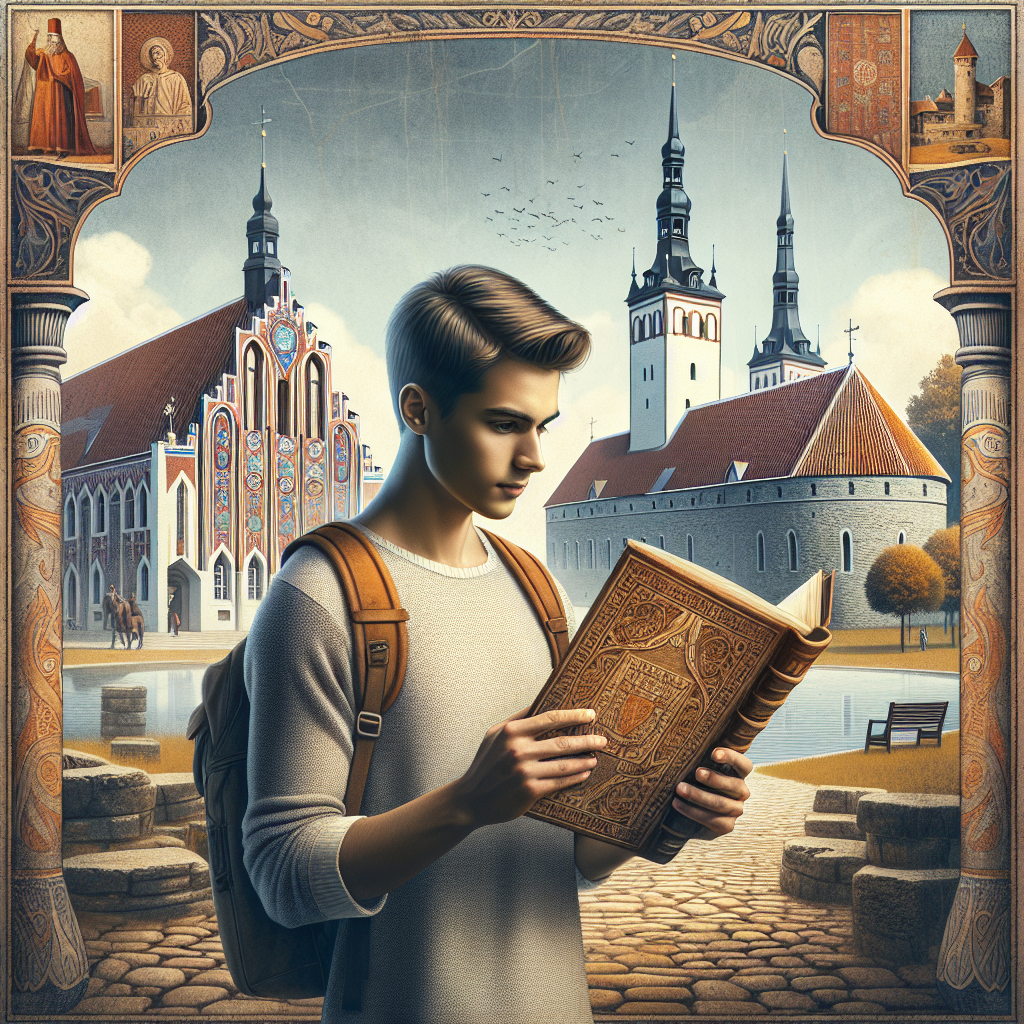
Exploring Estonia’s Rich History and Culture as a Student
Quick Navigation
- Estonia’s Rich Historical Heritage
- A Unique Blend of Culture
- Cultural and Social Environment for Students
- Final Thoughts
- Take the Next Step
Estonia’s Rich Historical Heritage
Estonia offers international students an enriching experience, combining a deep-rooted history with a vibrant cultural landscape. From medieval influences to modern innovations, studying in Estonia provides opportunities to immerse oneself in a unique blend of tradition and progress.
Estonia's captivating history spans thousands of years, marked by periods of resilience and transformation. Evidence of human settlement dates back to 9000 BC, with the Pulli settlement being the oldest known site. Over the centuries, the region has experienced influences from Vikings, Danish, Swedish, German, and Russian rulers, each leaving a distinct mark on its cultural fabric. The nation gained independence in 1918, only to experience a re-independence in 1991 after the period of Soviet occupation, which are defining moments in its modern history.
Key Historical Highlights
- Tallinn’s Medieval Old Town: A UNESCO World Heritage Site, this area embodies Estonia’s medieval past, showcasing cobblestone streets, historic architecture, and rich cultural history.
- The Singing Revolution: The peaceful protests in the 1980s, where citizens rallied for national independence through music, underline the significant role of culture in Estonia's historical narrative.
Understanding this rich historical context is essential for students engaged in their educational journeys, allowing them to appreciate the broader societal themes that have shaped Estonia today.
A Unique Blend of Culture
Estonia’s cultural identity is a blend of its indigenous Finnic roots and influences from Nordic and Germanic traditions. Here are some key aspects of Estonian culture that students can explore while studying in Estonia.
Music and Festivals
- Estonian Song and Dance Festival: Held every five years, this event is one of the world's largest choral gatherings and carries UNESCO recognition, emphasizing the significance of collective musical expression in Estonian culture.
- Traditional Music: The ancient leelo singing of Setomaa preserves Estonia’s folk heritage and offers students an opportunity to engage with the nation’s traditional art forms.
- Modern Musical Events: Festivals like Jazzkaar, the largest jazz festival in the Baltic States, highlight the contemporary cultural scene in Estonia and showcase local and international artists.
These musical traditions not only provide entertainment but also foster community and cultural pride, enriching the student experience.
Literature and Folklore
Estonian literature and folklore are significant cultural pillars, showcasing the nation’s storytelling tradition. The national epic, Kalevipoeg, composed by Friedrich Reinhold Kreutzwald, narrates epic tales of Estonia's mythical past, inviting students to connect with the historical narratives that influence contemporary literature.
Nature and Sustainability
Nature is central to Estonian life. With expansive forests and pristine lakes, students can engage in activities like hiking, camping, and exploring unique natural sites such as the Rõuge lakes. Moreover, Estonia's commitment to sustainability is reflected in the traditional smoke sauna, recognized by UNESCO as intangible heritage. This cultural practice not only enhances the relationship between people and nature but also encourages environmentally conscious living—an essential principle for today’s global citizens.
Cultural and Social Environment for Students
Estonia prides itself on a progressive society that emphasizes equality, education, and innovation. The capital cities of Tallinn and Tartu serve as vibrant hubs of student life, offering a mix of traditional experiences and modern amenities.
- Tallinn: The capital city is a blend of contemporary urban life and medieval charm, providing students with countless opportunities to explore and engage with both history and modernity.
- Tartu: Known as the intellectual capital of Estonia and celebrated as the 2024 European Capital of Culture, Tartu hosts numerous events and exhibitions that blend history with contemporary art and science, making it an excellent place for students to immerse themselves in both academic and cultural pursuits.
This rich social environment enhances the experience for international students, allowing them to develop academically while enjoying the cultural vibrancy of Estonia.
Final Thoughts
Studying in Estonia provides an opportunity to delve into a rich cultural tapestry while benefiting from its forward-thinking and innovative educational approach. From historic landmarks like Tallinn's medieval old town to rich musical traditions and pristine natural beauty, Estonia presents a unique environment for learning and personal growth.
International students can explore and engage with a culture that is as vibrant and diverse as its history. If you are involved in international student recruitment, admissions, or education marketing, consider partnering with Study in Estonia. We are dedicated to facilitating educational experiences that enable students to thrive in an environment that values culture, innovation, and personal development.
For more information or to discuss partnership opportunities, do not hesitate to contact us. Let’s work together to make studying in Estonia an enriching journey for students worldwide.
Take the Next Step with Study in Estonia
Explore further why studying in Estonia is the right choice for you.