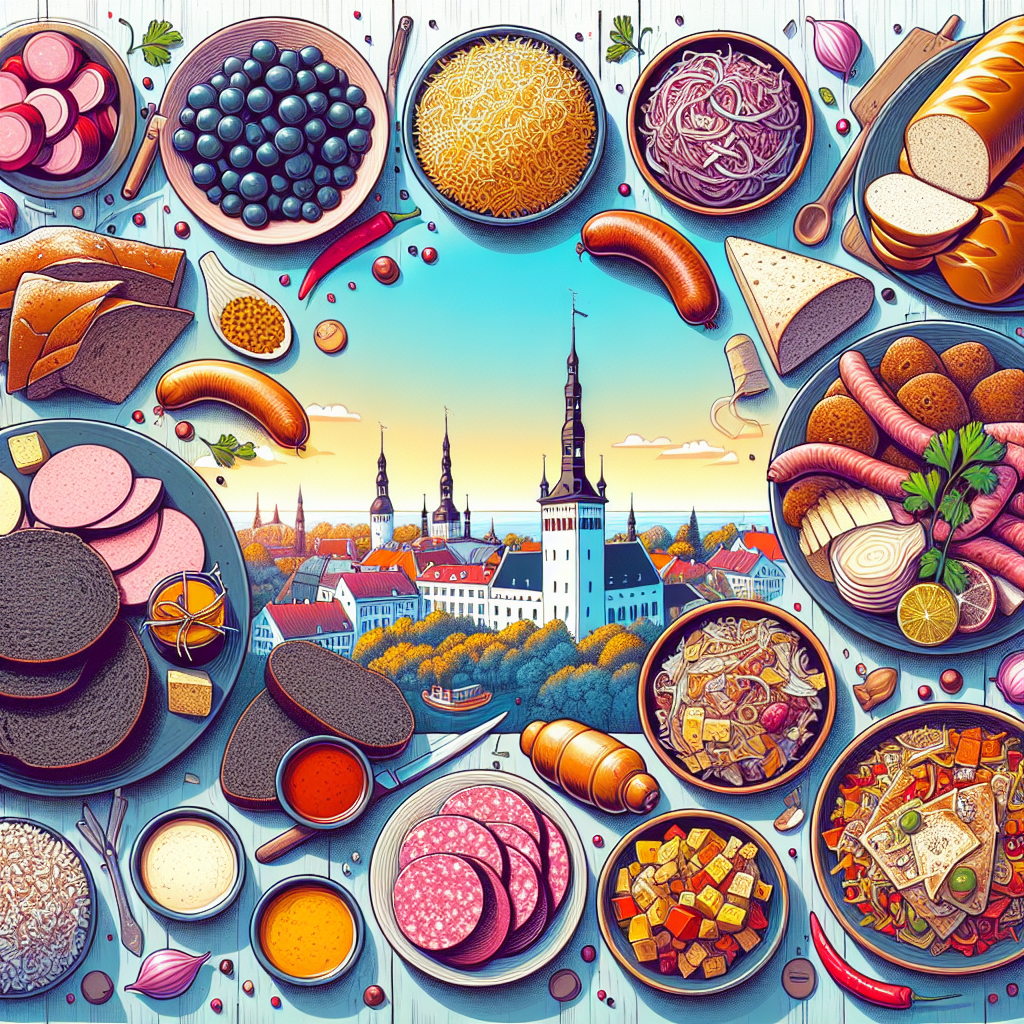
Exploring Estonian Cuisine: A Guide for International Students
Quick Navigation
- Traditional Estonian Dishes
- Seasonal Treats and Festive Foods
- Dining and Snacking in Estonia
- Engaging with Estonian Food Culture
- Tips for International Students
- Take the Next Step with Study in Estonia
Traditional Estonian Dishes
Estonian cuisine is deeply rooted in its agricultural and cultural traditions. Below are some must-try traditional dishes that provide a true taste of Estonia.
Kiluvõileib
Kiluvõileib, often considered an iconic Estonian dish, consists of dark rye bread (leib) topped with smoked sprats, boiled eggs, and a generous spread of butter. This dish is not only flavorful but also nutritious, making it an ideal choice for a light meal or a snack between classes.
Mulgipuder
A staple comfort food, Mulgipuder is a hearty mashed potato dish combined with barley and garnished with crispy bacon and onions. This filling dish reflects Estonia's agricultural roots and offers an authentic taste of local culinary traditions.
Verivorst (Blood Sausage)
Often enjoyed during the winter months, Verivorst is a specialty made from barley, onions, and blood, seasoned with spices like allspice and marjoram. Typically roasted alongside pork and potatoes, it is served with berry compote and sauerkraut, providing a unique and traditional experience for bold diners.
Kama
Kama is a versatile dish that can serve as either a dessert or breakfast. Made by mixing a pre-prepared kama grain mixture (which includes rye, oats, barley, and beans) with kefir and topped with fruits or nuts, it provides a quick and nutritious option for busy students.
Pirukad
These delectable pastries resemble empanadas and are filled with various ingredients such as meat, mushrooms, cheese, or jam. Convenient and satisfying, Pirukad are available in many bakeries across Estonia, making them a popular snack option for students on the go.
Seasonal Treats and Festive Foods
Exploring Estonian cuisine also means embracing seasonal specialties that highlight the rich traditions of the country.
- Vastlakukkel: Cream-filled sweet buns traditionally enjoyed on Shrove Tuesday (Vastlapäev), celebrated in February or March. Bakers offer various fillings, including classic flavors and new variations.
- Kaneelisaiapäev (Cinnamon Bun Day): Celebrated on October 4, this day showcases fresh cinnamon buns available in bakeries nationwide, perfect for a sweet treat or snack during study breaks.
Dining and Snacking in Estonia
Finding places to eat in Estonia, especially in cities like Tartu or Tallinn, can be an adventure. Here are some affordable and student-friendly options:
Daily Offers (Päevapakkumised)
Many local restaurants provide affordable lunch specials, which include soups, pizzas, and vegan options. This initiative makes it easy for students to experience diverse Estonian flavors without straining their budgets.
Street Foods
Street food in Estonia is vibrant and accessible. Venture into local markets or cafes to try beloved options like Kiluvõileib or Pirukad. These delectable snacks are perfect for quick bites between classes and allow students to experience authentic flavors on the go.
Engaging with Estonian Food Culture
Engaging with Estonia's food culture goes beyond mere tasting; it's about learning the traditions and stories behind the dishes.
Cooking at Home
Many Estonian traditional dishes like Kama and Kiluvõileib can be prepared easily using ingredients available in local markets. This approach allows international students to not only save money but to delve deeper into Estonian traditions through cooking.
Visiting Markets
Exploring local markets is essential for those wishing to connect with Estonian food culture. Markets often offer fresh produce, artisanal goods, and unique regional specialties. A visit to Andre Farm for cheeses or Nopri Dairy Farm for traditional dairy can enhance one’s culinary experience.
Enjoying Local Desserts
Indulging in traditional Estonian desserts such as marzipan and Kalev chocolates is a must. Many of these treats feature intricate designs inspired by Estonian heritage, making them visually appealing as well as delicious.
Tips for International Students
- Try Estonia’s National Drink: Kefir, a fermented milk beverage, enhances many dishes and is a staple item in Estonian households. Its health benefits also make it a popular choice.
- Explore Christmas Markets: During the winter season, festive foods like glögi (spiced mulled wine) and gingerbread cookies create a warm atmosphere and provide delightful culinary experiences.
- Forage or Pick Berries: In summer, local traditions include picking wild berries. Joining locals in this activity fosters a sense of community and appreciation for Estonia’s natural offerings.
By embracing Estonian cuisine, international students can enjoy not only the diverse flavors but also the rich cultural tapestry that defines the nation.
Take the Next Step with Study in Estonia
Explore further and enhance your study experience in Estonia. At Study in Estonia, we offer comprehensive information and support for international students.