
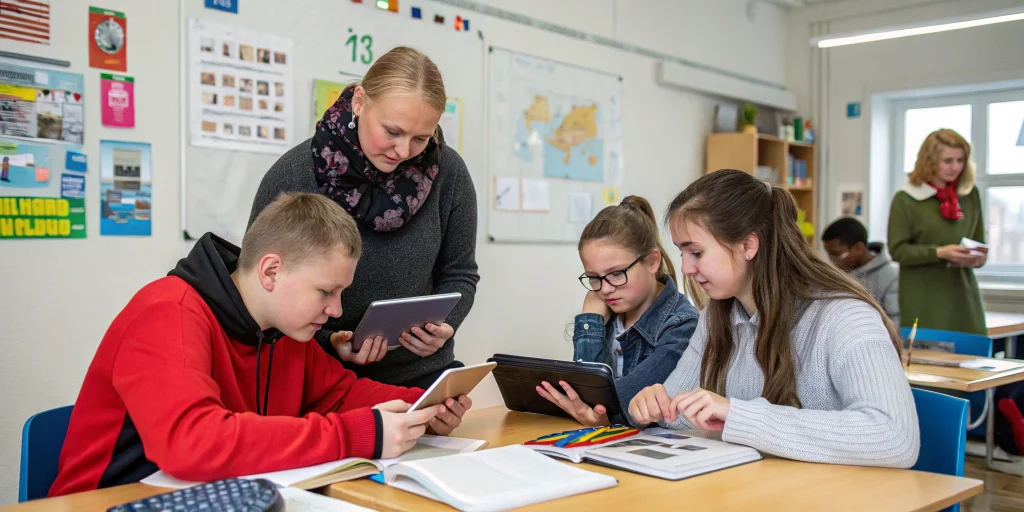
Overview of Language Barriers in Estonian Classrooms
Current Language Transition Landscape
As Estonia enhances its educational landscape by shifting to a greater use of the Estonian language, a significant transition unfolds, particularly in schools that have historically instructed in Russian. This transformation introduces substantial language barriers for both students and educators, impacting first-generation language learners and teachers required to adapt their methodologies to meet diverse linguistic backgrounds. It is essential to explore the challenges these stakeholders face and the strategies that can be employed to overcome them, ensuring that all learners can thrive.
Estonia’s educational system is increasingly focused on using Estonian as the primary language of instruction. Previously, many schools catered to Russian-speaking students, but as policy changes promote integration, students encounter complex academic language demands. Many official textbooks are not tailored to support learners who use other languages at home, complicating their educational journeys. Teachers, too, find themselves spending extensive time creating supplementary materials to help bridge language and content gaps.
Key Challenges
Inadequate Learning Materials
Challenge: The textbooks and resources used in Estonian classrooms often present a barrier to non-native speakers. Many are too advanced or culturally irrelevant, rendering the curriculum difficult to follow for students from diverse linguistic backgrounds.
Teacher Workload
Challenge: Educators are under increased pressure due to the necessity of creating additional resources and providing extra support to their students. This added responsibility can lead to heightened stress and a well-documented impact on teacher performance.
Student Motivation and Methodology
Challenge: The transition to learning in Estonian can be daunting for students, some of whom may struggle with the language transition. Furthermore, not all educators are equipped with the effective teaching strategies needed to support these learners adequately, which can negatively affect student engagement and motivation.
Socioeconomic and Achievement Gaps
Challenge: Students from lower-language proficiency backgrounds, including those with special needs, may fall behind in this transition. This imbalance increases the risk of opting out of mainstream education, further complicating efforts to achieve educational equality.
Evidence-Based Strategies to Overcome Barriers
To effectively address these challenges, a multi-faceted approach is essential. Here are some evidence-based strategies:
1. Targeted Language Support Programs
Objective: Build active language skills in students from homes where Estonian is not spoken.
Action: Create programs prioritizing assistance for family migrants and low-skilled permanent residents, focusing specifically on those with limited or passive Estonian proficiency.
2. Teacher Training and Resource Development
Objective: Equip educators with the necessary skills and resources to facilitate effective language instruction.
Action: Provide ongoing professional development focusing on innovative pedagogical approaches and encourage sharing of best practices through a repository of teacher-developed materials tailored to diverse learners.
3. Curriculum Adaptation
Objective: Modify teaching materials to enhance accessibility and cultural relevance.
Action: Adapt existing resources to better suit multilingual classrooms and develop graded readers and supplementary materials that can scaffold language learning progressively.
4. Peer and Community Support
Objective: Engage students in collaborative learning environments, enhancing language acquisition.
Action: Implement peer learning networks and language buddy systems within schools, and encourage parental and community involvement to support language development at home.
5. Monitoring and Support Structures
Objective: Identify at-risk students and provide timely interventions.
Action: Establish regular assessments to pinpoint students who face challenges due to language barriers, and offer tailored interventions and support services to those in need.
Summary Table: Overcoming Language Barriers
| Barrier | Strategy |
|---|---|
| Inadequate learning materials | Curriculum adaptation, supplementary resources |
| Teacher workload | Training, resource sharing |
| Student motivation/methodology | Peer support, targeted interventions |
| Achievement gaps | Monitoring, early intervention |
Conclusion
Addressing language barriers in Estonian classrooms demands a comprehensive approach that encompasses targeted language support, professional development for teachers, curriculum adaptations, community engagement, and systematic monitoring. These strategies showcase the commitment of the Estonian educational system to ensure that all learners, regardless of their linguistic background, have equal opportunities to succeed academically.
At Study in Estonia, we are dedicated to fostering inclusive education and supporting international students during their academic journeys. By collaborating with educational institutions and stakeholders, we can enhance the educational experience for learners from diverse backgrounds.
Take the Next Step with Study in Estonia
If your institution is considering strategies for integration or if you’re interested in forming partnerships aimed at improving educational outcomes for diverse language learners, we invite you to reach out. Together, we can create a more inclusive educational environment that enables every student to achieve their highest potential.