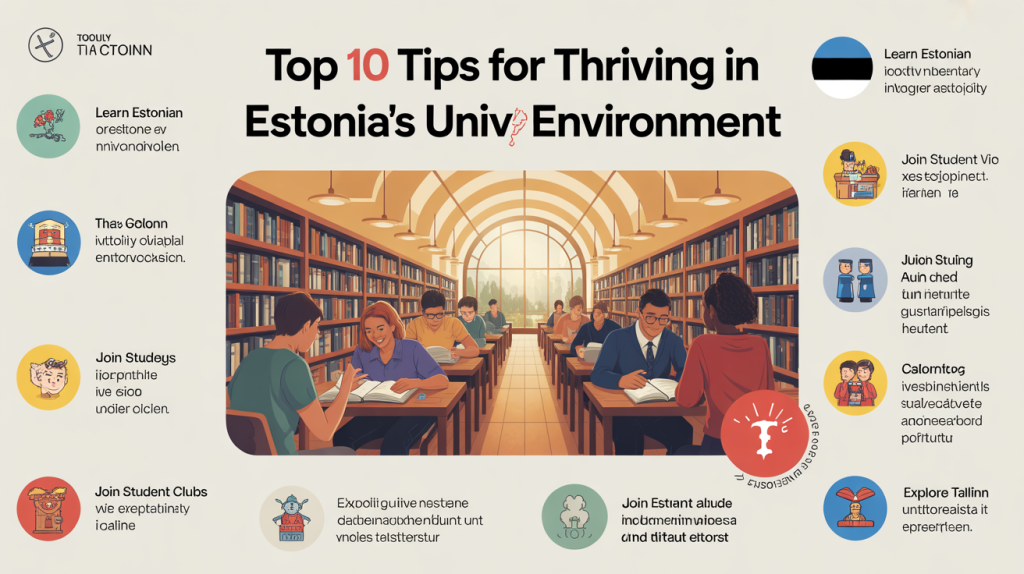
Top 10 Tips for Surviving and Thriving in Estonia’s University Environment
Secure Your Visa and Residence Permit Efficiently
Plan Your Finances Wisely for a Stress-Free Experience
Arrange Accommodation Early to Secure Comfort and Compliance
Embrace Estonia’s Digital and Innovative Education Culture
Participate in Student Life and Build Your Network
Familiarize Yourself with Local Culture and Language
Leverage University Support Services Fully
Balance Academic Pursuits with Personal Well-being
Stay Informed and Proactive Throughout Your Studies
1. Understand Entry and Application Requirements
Each Estonian university may have distinct application procedures and documentation requirements. Generally, applicants must provide:
- A valid passport
- Academic transcripts and certificates
- A motivation letter
- Proof of language proficiency (IELTS, TOEFL, or equivalent)
- Recommendation letters and CV, where applicable
Advising students to apply early is essential since deadlines vary and submitting documents on time facilitates smoother processing. It’s equally important to retain proof of tuition fee payments and admission letters as these are mandatory for subsequent visa applications.
For a detailed breakdown of application procedures, universities and recruiters can refer to our Admissions Information to stay updated on the latest entry criteria.
2. Secure Your Visa and Residence Permit Efficiently
Once accepted, obtaining the correct visa and residence permit documents is crucial for legal entry and stay in Estonia. Key requirements include:
- Passport valid for at least six months beyond the planned stay
- Official letter of admission from the university
- Evidence of financial means to cover tuition and living expenses (approximately €6,000–€7,200 annually)
- Accommodation proof
- Valid health insurance
Universities typically offer guidance through international offices to streamline this process. Early preparation and adherence to documentation standards prevent delays and stress during relocation.
Institutions looking to enhance their support can learn more about visa and residence formalities via our dedicated International Student Support resources.
3. Plan Your Finances Wisely for a Stress-Free Experience
Although Estonia offers affordable tuition compared to Western Europe, budgeting remains an essential aspect of successful study abroad planning. Students should consider:
- Tuition fees according to program and institution
- Annual living costs (~€6,000–€7,200)
- Health insurance premiums (~€150–€200 per year)
- Miscellaneous expenses such as travel, study materials, and social life
Recruitment agencies and admissions teams can play an advisory role in helping students prepare financially. Transparent cost breakdowns build trust and help prevent surprises post-arrival.
To assist students with financial planning, leverage information from our Cost of Studying in Estonia overview.
4. Arrange Accommodation Early to Secure Comfort and Compliance
Accommodation is a critical aspect that affects student well-being and visa approval. Options include:
- University dormitories
- Private rentals
- Student housing cooperatives
Securing accommodation prior to arrival not only fulfills visa requirements but also provides students peace of mind, enabling them to focus on academic and social integration.
Universities and agencies can promote early housing applications through tailored communications and support channels, which are detailed in our Student Accommodation Guide.
5. Embrace Estonia’s Digital and Innovative Education Culture
Estonia is globally recognized for its e-government initiatives and pioneering digital society. This innovative spirit permeates its education sector:
- Extensive use of digital learning platforms
- Online access to academic resources and administrative services
- Integration of cutting-edge technology in teaching methodologies
International students are encouraged to familiarize themselves with these digital tools from day one. Engaging actively with e-learning systems enriches their academic experience and aligns them with modern workforce expectations.
Education professionals can leverage this digital orientation to differentiate Estonia in recruitment campaigns, emphasizing our country’s leadership in educational technology. Explore more through our Innovative Study Ecosystem overview.
6. Participate in Student Life and Build Your Network
Success at university extends beyond academics. Estonia’s universities boast a vibrant student life filled with:
- Academic clubs and interest groups
- Cultural and sports activities
- Opportunities for volunteering and leadership
Encouraging students to engage socially enhances their integration, supports mental health, and builds networks that can facilitate career development post-graduation.
Recruiters and university staff should highlight these opportunities during the admissions process to paint a holistic picture of student life. See our Student Life and Community section for inspiration.
7. Familiarize Yourself with Local Culture and Language
Even though many programs are conducted in English, understanding basic Estonian language and cultural norms helps students navigate daily interactions and fosters stronger connections with local peers.
Key benefits include:
- Easier access to services and shops
- Enhanced cultural appreciation
- Greater integration into the community
Offering preparatory cultural orientation and language workshops can greatly assist newcomers. Our Cultural Integration Support resources provide useful materials for this purpose.
8. Leverage University Support Services Fully
Estonian universities extend comprehensive services to international students, such as:
- Orientation programs
- Academic advising and tutoring
- Psychological support and counseling
- Career guidance and internship placement
Training admissions and HR teams to direct students towards these resources facilitates deeper adaptation and achievement. It also reflects positively on an institution’s commitment to student success.
Further details about the support available can be found on our Student Support Services page.
9. Balance Academic Pursuits with Personal Well-being
Encouraging students to maintain a healthy balance between their studies and personal life is vital. Estonia offers:
- Scenic nature and outdoor activities
- Cultural festivals and events
- Peaceful environments suitable for relaxation and reflection
Active participation in leisure activities aids stress management and promotes a fulfilling university experience.
Education professionals can integrate well-being messaging in student communications to foster sustainable academic performance.
10. Stay Informed and Proactive Throughout Your Studies
Lastly, students must remain proactive in tracking updates related to:
- Course schedules and examination dates
- Visa and regulatory changes
- University announcements and opportunities
Being organized and responsive reduces the risk of missed deadlines or compliance issues.
Universities and recruitment agencies can optimize communication strategies through automated alerts and personalized outreach.
Take the Next Step with Study in Estonia
Successfully studying in Estonia requires strategic preparation, cultural openness, and active engagement with the university environment. By following these top 10 tips for surviving and thriving in Estonia’s university environment, international students can maximize their academic and personal growth in one of Europe’s most innovative education hubs.